
If you drive a modern diesel, you’ll eventually hear the term “DPF regeneration.” You may even notice it happening while you’re behind the wheel. The process can bring strange smells, warning lights, or questions about whether it’s safe to keep driving.
For many drivers, it’s not the theory of how a diesel particulate filter (DPF) works that matters. It’s the everyday reality: what you can and can’t do while regeneration is happening. This guide answers the most common questions diesel owners ask and explains what’s normal and when you should seek professional help.
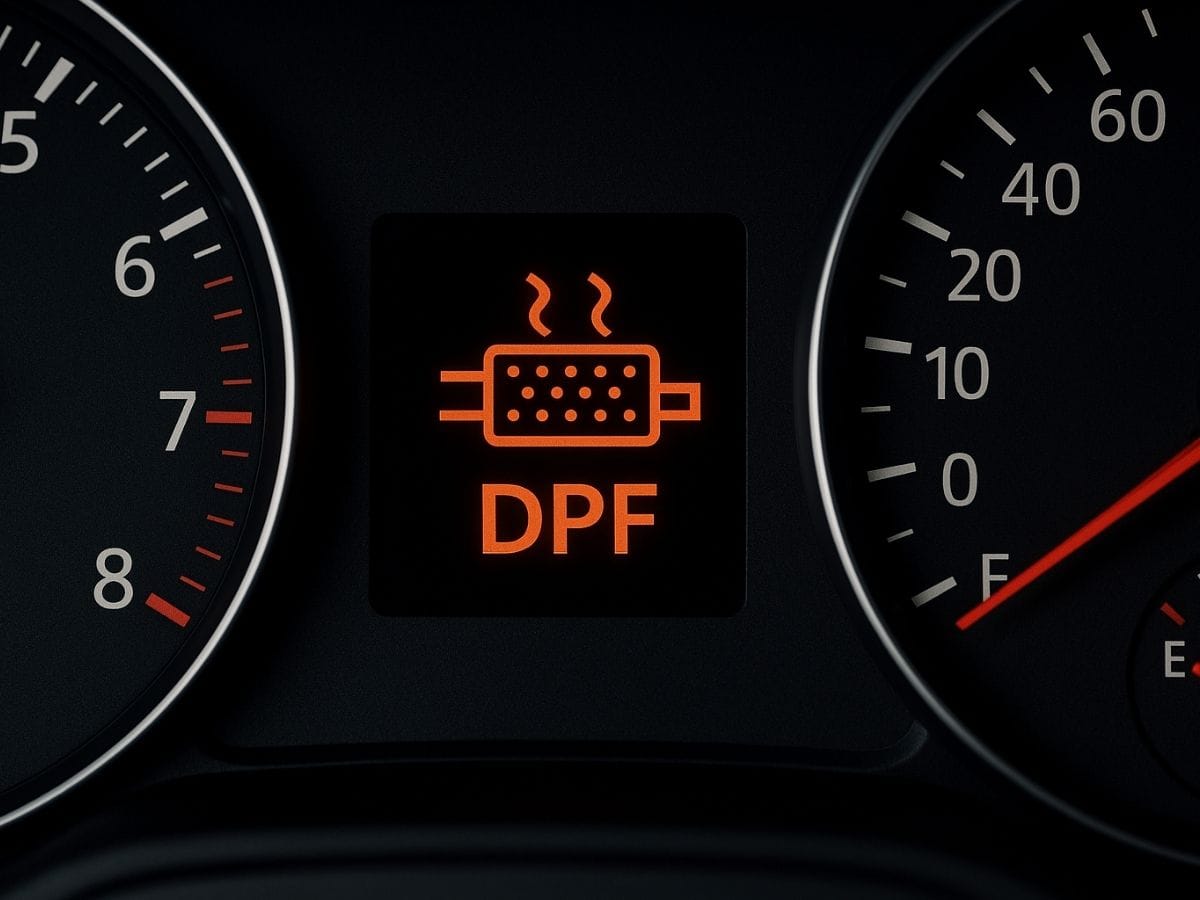
How long should DPF regeneration take?
A typical passive regeneration (happening while you’re driving at highway speeds) can take 15 to 30 minutes. Active regenerations (triggered by the engine computer when soot levels rise) often run for a similar length of time.
If you only drive short trips, regeneration may be interrupted. That’s when soot builds up and problems start to appear. If your DPF light comes on frequently, it’s a sign the filter isn’t clearing properly and needs attention.
See our article on DPF regeneration and why your diesel needs it: https://www.191automotive.com.au/dpf-regeneration-what-it-is-and-why-your-diesel-car-needs-it/

Can you drive while regeneration is happening?
Yes. In fact, driving is usually the best way to allow regeneration to complete. The system relies on heat and airflow. A steady cruise at 60 km/h or more gives the DPF the conditions it needs to burn off soot.
City stop-start driving can interrupt the process. That’s why many owners notice problems after weeks of short commutes. If you suspect regeneration has started, try to stay on the road until it finishes.
What happens if you turn the car off mid-regeneration?
If you switch off while regeneration is in progress, the process stops. Do this repeatedly and soot builds faster than the filter can clear it. That’s when warning lights appear.
One or two interruptions won’t ruin the filter, but a habit of cutting regenerations short will shorten its life. If you need to park, try to give the car a few extra minutes to finish the cycle.
Why does DPF regeneration sometimes smell or smoke?
If you notice thick black smoke or persistent smells, that’s not normal. It may point to injector issues, excess oil consumption, or a DPF that’s struggling to regenerate.
See our guide on why DPFs keep clogging and what actually fixes it: https://www.191automotive.com.au/why-your-dpf-keeps-clogging-and-what-actually-fixes-it/
How can you tell if your car is regenerating?
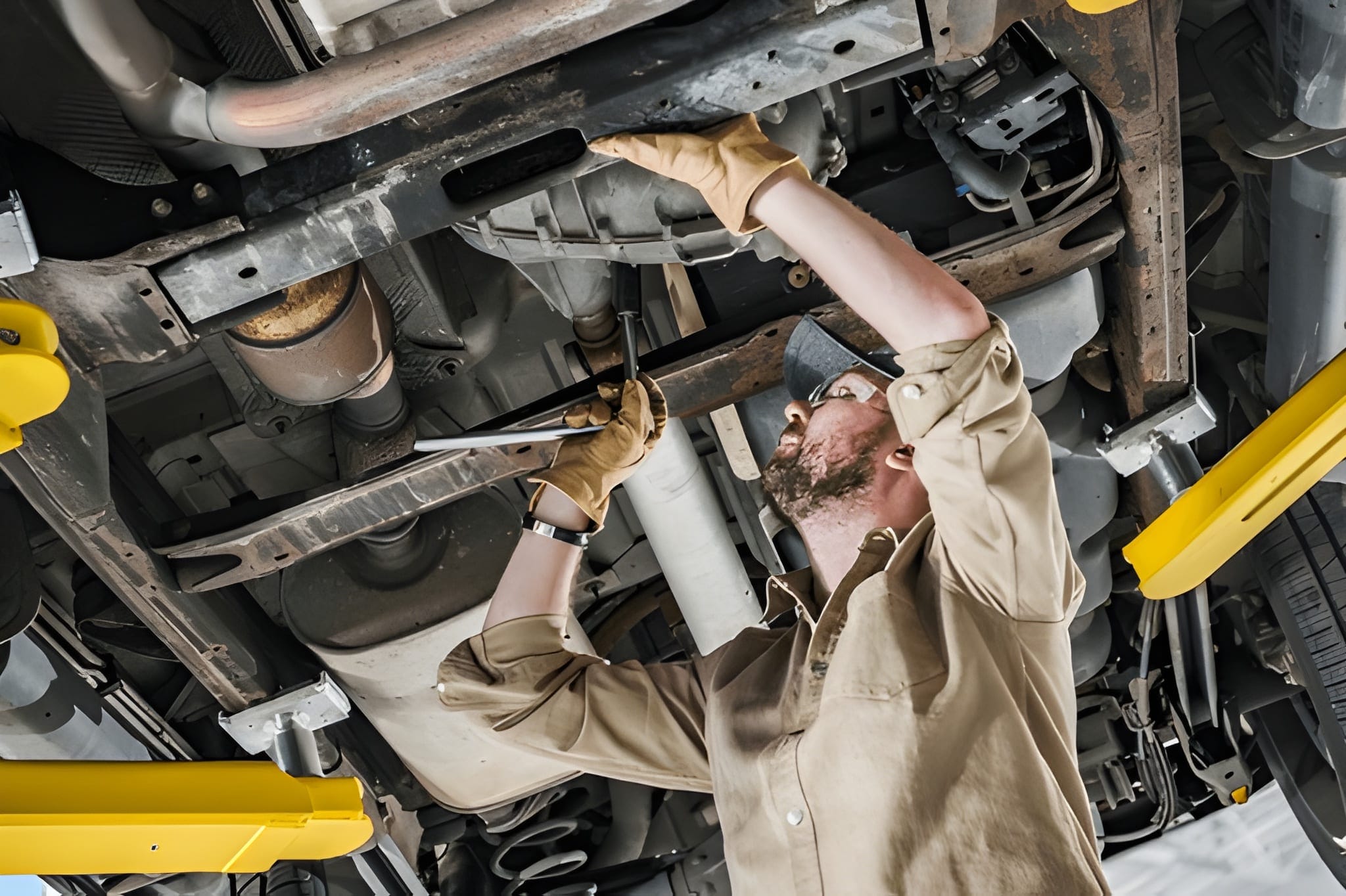
What you should and shouldn’t do during regeneration
- Keep driving at steady speeds if possible.
- Allow the process to complete.
- Take the car for a longer run if you mostly do short trips.
- Switch off mid-cycle unless necessary.
- Ignore warning lights.
- Assume it will fix itself if regenerations fail repeatedly.
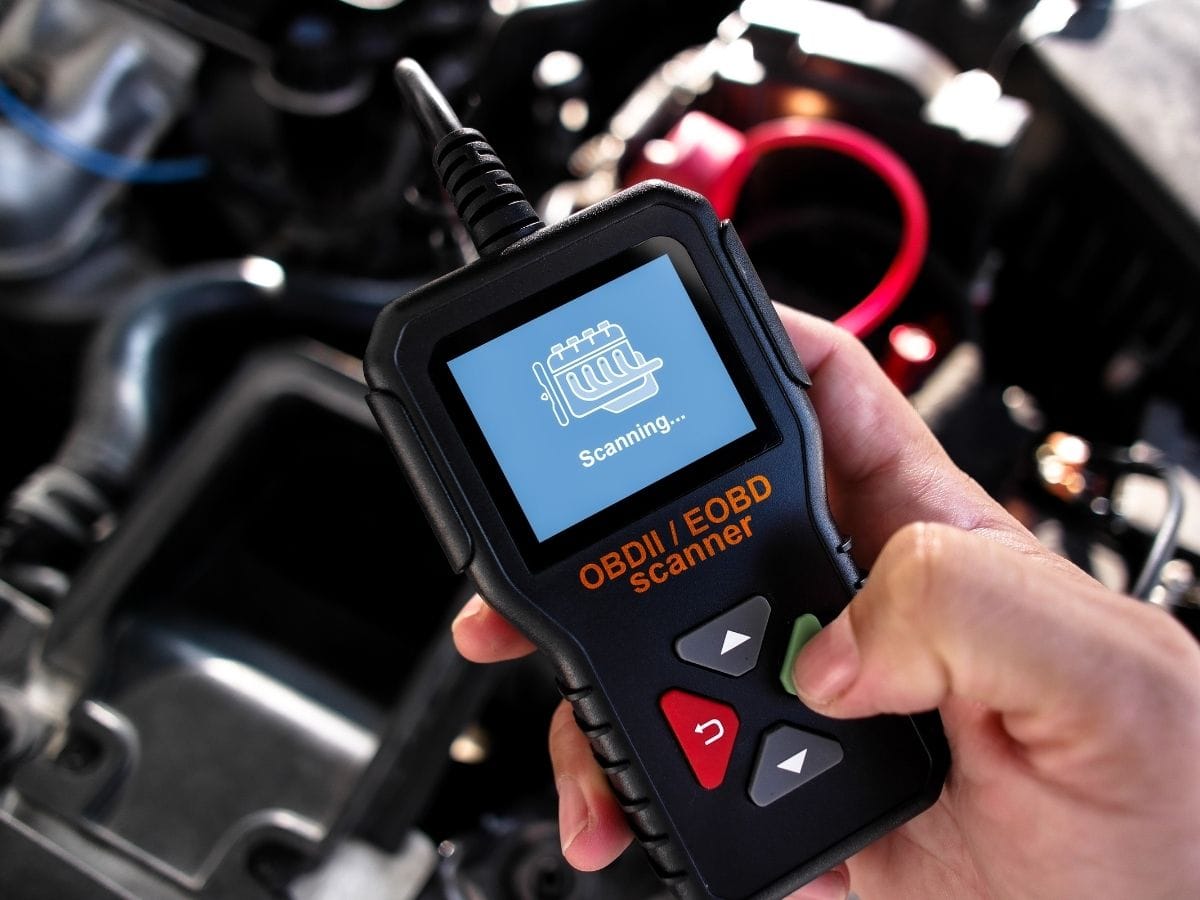
When to book professional help from a mechanic
Professional tools can force a regeneration, clean the filter, or diagnose deeper issues. Waiting too long risks an expensive DPF replacement.
Not sure what signs to look for? See our breakdown of 5 warning signs your DPF needs professional regeneration: https://www.191automotive.com.au/5-warning-signs-your-dpf-needs-professional-regeneration/
Knowing What’s Normal Keeps You Ahead of Problems
DPF regeneration is part of everyday life for modern diesel owners. The key is knowing what’s normal and what signals a real problem. Short trips, mid-cycle shutdowns, or persistent warning lights can all shorten filter life.
By understanding the process and recognising the signs, you can keep your DPF healthy for longer. And if problems do arise, 191 Automotive is here with the tools and expertise to diagnose and fix them before they turn into bigger bills.